

As electronic products become smaller, smarter, and more powerful, semiconductor manufacturers are facing increasing challenges in production efficiency, programming accuracy, and quality control. From automotive electronics and consumer devices to IoT products and industrial equipment, the demand for reliable IC programming solutions continues to grow rapidy.
An offline programmer provides an efficient solution for manufacturers that need to program large quantities of semiconductor devices before final assembly. Unlike programming methods that require devices to be connected directly on a finished PCB, offline programming allows IC chips to be programmed independently through dedicated programming sockets, greatly improving production flexibility and throughput.
For companies producing high-volume electronic products, choosing the right high-speed offline programmer can significantly improve manufacturing efficiency, reduce programming errors, and optimize factory workflows.
This guide explains how offline programmers work, their distinct advantages compared with other programming methods, key factors to consider when selecting equipment, and how advanced high-speed IC programming solutions from VeloMax support modern IC manufacturing requirements.
1. What Is an Offline Programmer?
2. Offline Programmer vs Traditional Programming Methods
3. How Does an Offline Programmer Work?
4. Offline Programmer vs ISP Programmer: Key Differences
5. Key Benefits of Using a High-Speed Offline Programmer
6. How to Choose the Right Offline Programmer for Your Production Line
7. Applications of Offline Programmers in Electronics Manufacturing
8. Offline Programmer vs Automated IC Programming System
9. VeloMax High-Speed Offline Programmer Solutions
10. Frequently Asked Questions About Offline Programmers
An offline programmer is a standalone IC programming device designed to write firmware, configuration data, or application code into semiconductor devices before they are assembled into final electronic products.
Unlike in-system programming (ISP), which programs chips after they have been mounted on a PCB, offline programming is performed separately using dedicated sockets or adapters. This allows manufacturers to prepare programmed components prior to SMT assembly, making it highly suitable for mass production environments.
Modern offline programmers are commonly used for programming a wide range of semiconductor devices, including:
The standard workflow of an offline programmer follows a clear and controlled structure:
| Item | Description |
|---|---|
| Equipment Type | Standalone socket-based IC programming equipment |
| Main Function | Write firmware, data code, and configuration settings into unmounted chips |
| Core Technologies | High-speed parallel programming, multi-site architecture, automatic data verification |
| Common Applications | Automotive electronics, IoT modules, consumer electronics, industrial automation |
| Main Advantages | Eliminates SMT bottlenecks, higher production throughput, superior programming stability |
| Supported Memory Types | MCU, NAND Flash, NOR Flash, EEPROM, eMMC, UFS 4.x / 3.x |
In electronics manufacturing, different programming approaches are selected depending on production requirements, batch sizes, and board layouts.
Offline programming focuses on standalone chip programming before board assembly. Main key advantages include:
ISP programming writes firmware directly to chips after they have been mounted onto a PCB. It is often used for prototype development, low-volume production, field updates, and initial board-level testing.
However, ISP programming can be restricted by PCB design limitations, signal degradation across long traces, and longer production cycle times in mass production environments.
Understanding the working process of an offline programmer helps engineering and procurement teams evaluate whether a system fits their line capacity. Although architectures vary, most high-performance offline programmers follow four key steps.
Before programming begins, manufacturers prepare target files including firmware images, configuration files, security encryption keys, and specific device parameters. Software software manages these files securely to prevent data corruption and ensure correct bitstream delivery.
Semiconductor devices are placed into high-durability programming sockets. Socket quality plays a critical role in data transfer because it directly impacts:
Once connected, the offline programmer executes rapid data transfer. Advanced systems utilize multi-site parallel programming, allowing multiple ICs to be flashed simultaneously instead of sequentially, dramatically multiplying hourly output.
After programming is completed, automatic checksum comparisons, error detection routines, and status logging verify data integrity. Detecting flashing errors at this stage avoids expensive board desoldering or product scrap downstream.
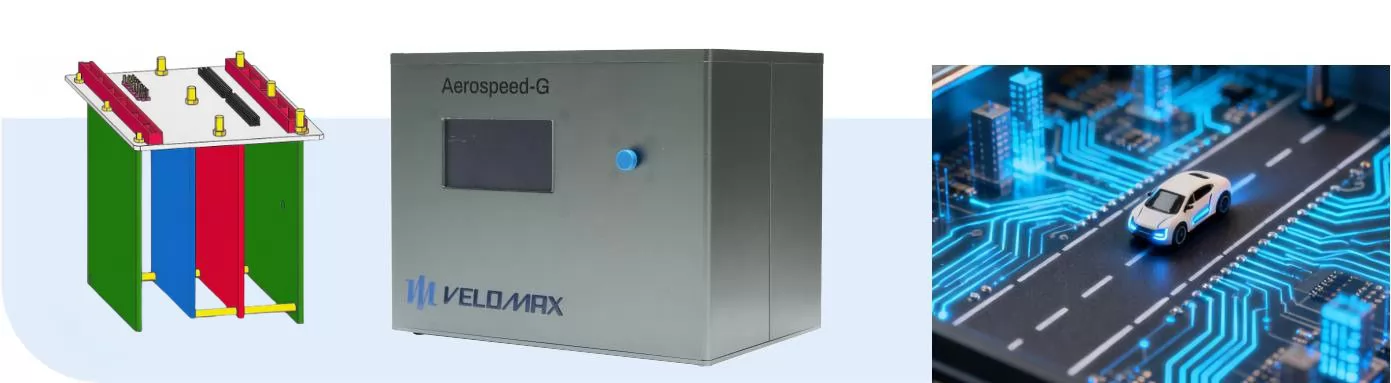
While both techniques flash firmware onto semiconductor chips, they are engineered for distinct stages of manufacturing. The table below highlights the core differences between an offline programmer and an ISP programmer.
| Factor | Offline Programmer | ISP Programmer |
|---|---|---|
| Programming Method | Socket-based chip programming | PCB-based edge/header programming |
| Production Stage | Before product SMT assembly | After PCB SMT assembly |
| Production Volume | Medium to high volume (Mass production) | Prototypes & low-volume batches |
| Programming Speed | Ultra-fast (Multi-site parallel) | Slower (Limited by PCB trace length) |
| Hardware Dependency | Independent programming station | Dependent on PCB routing & power circuitry |
| Quality Control | Easier verification & 100% pre-assembly yield | Subject to board-level electrical noise |
| Best Application | High-volume electronic manufacturing | R&D debugging & in-field service updates |
Adopting modern high-speed offline programming equipment delivers measurable advantages across production yield, operational costs, and delivery cycle times.
Traditional single-device programming often creates manufacturing bottlenecks. High-speed offline programmers overcome this through multi-site parallel programming, allowing 4, 8, 16, or more devices to be flashed at the same time, maximizing total Units Per Hour (UPH).
Offline flashing prevents defective or unprogrammed chips from reaching SMT mounting stages, reducing manual rework, desoldering scrap, and line downtime.
Dedicated sockets shield the programming process from board-level noise and voltage fluctuations, ensuring clean signal transfers and repeatable data verification.
Production engineers can quickly switch programming files or swap socket adapters to support different chip packages (QFN, BGA, SOP, eMMC, UFS) without disrupting SMT hardware setups.
Selecting an optimal offline programmer requires evaluating chip support, bus interface speeds, and integration capabilities against your production targets.
Ensure the equipment supports present and future chip families—ranging from simple MCUs and EEPROMs to high-capacity storage like eMMC and UFS 4.x/3.x interfaces.
Examine read/write bandwidth (MB/s) and sync times alongside the number of available sites. High-speed bus design is essential for large file programming in UFS and NAND memories.
Choose high-grade socket architectures designed for high insertion cycles to maintain electrical stability and lower long-term consumable costs.
Modern electronics plants require full traceability. Look for programmers that support MES software connectivity, barcode scanning, and automated log creation.
Offline programmers serve as crucial equipment in high-reliability sectors where programming flaws cannot be tolerated.
Automotive sub-assemblies (ECUs, BMS modules, ADAS sensors, infotainment units) demand zero-defect quality. Offline programmers verify each chip pre-assembly to comply with automotive quality management standards.
Smartphones, wearables, and smart home appliances rely on high-capacity eMMC and UFS memory. High-speed offline programming flushes gigabytes of OS images in seconds to keep pace with rapid Takt times.
Compact IoT nodes require pre-flashed secure keys, wireless stacks, and custom firmware prior to encapsulation.
PLC controllers, robotics modules, and industrial drives use offline programmers to ensure long-term firmware stability in harsh operational environments.
As operational scales grow, plants often evaluate manual/semi-automated offline programmers against fully automated IC programming systems equipped with robotic pick-and-place handlers.
| Factor | Offline Manual/Semi-Auto Programmer | Automated IC Programming System |
|---|---|---|
| Production Scale | Medium to high volume flexibility | Ultra-high volume continuous production |
| Automation Level | Manual / Semi-automated socket loading | Fully automated robotic pick & place |
| Capital Investment | Lower equipment cost | Higher initial capital expenditure |
| Line Flexibility | Very high (Fast job changeovers) | Dedicated high-volume production lines |
| Operator Involvement | Operator loads/unloads socket modules | Unattended continuous operation |
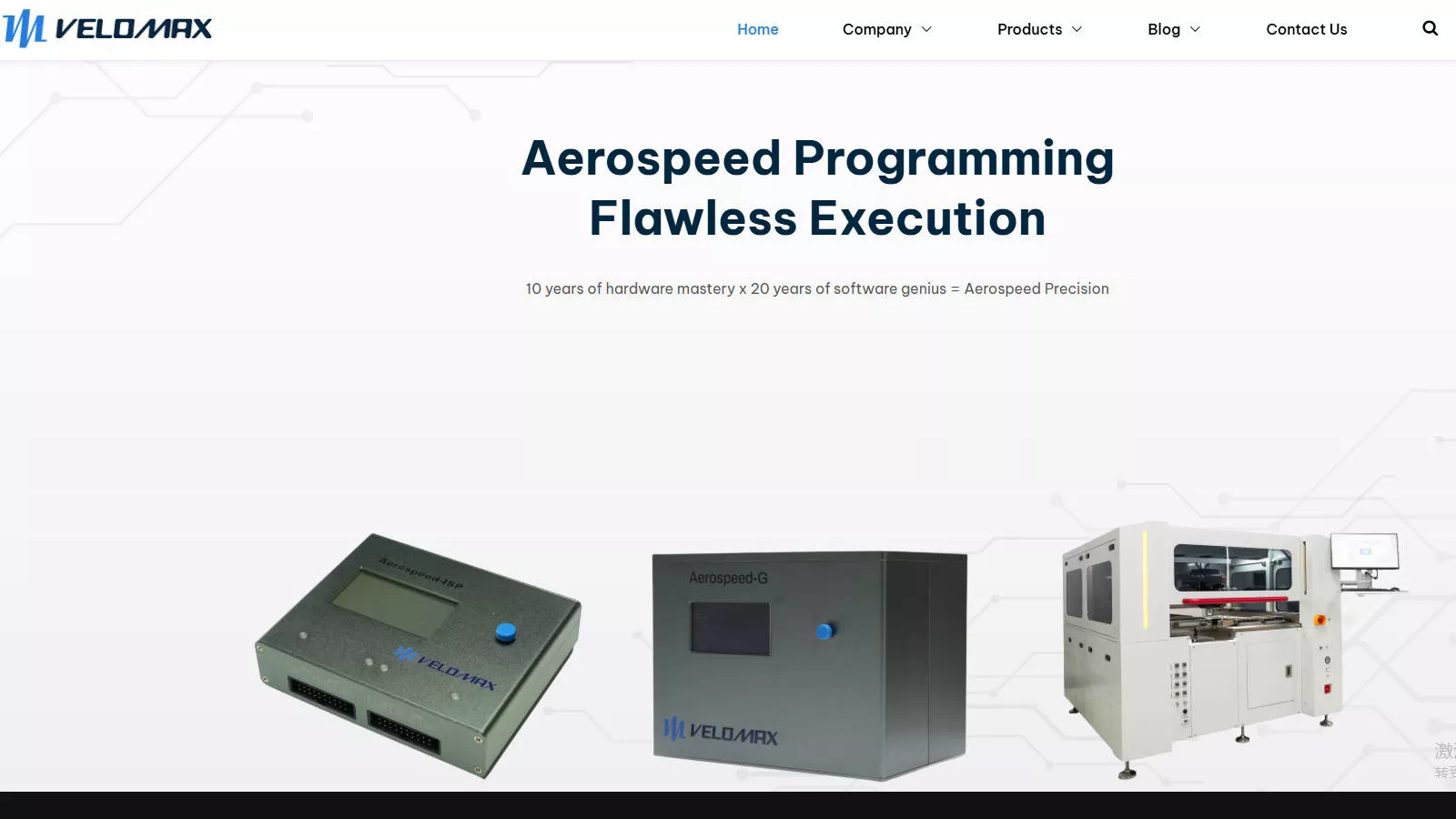
For electronic manufacturers seeking extreme programming efficiency, precision, and reliable device support, VeloMax provides industry-leading high-speed offline programming systems tailored for modern semiconductor workflows.
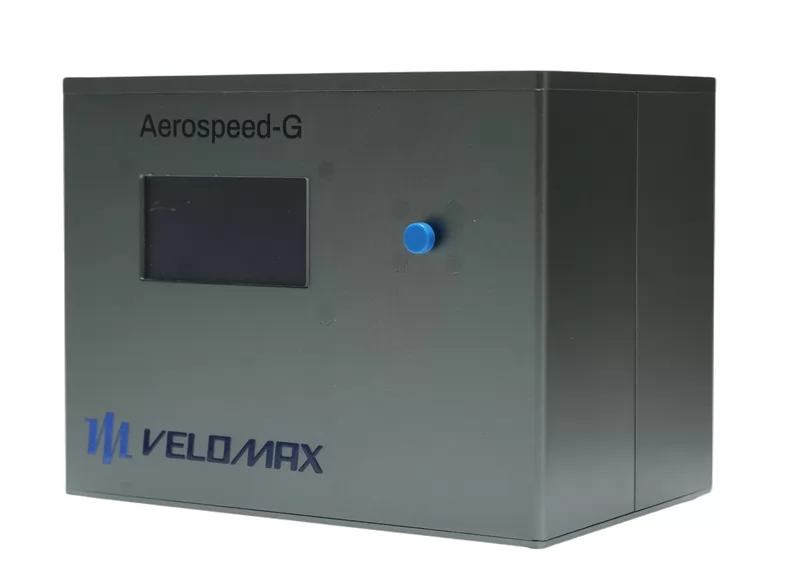
The Aerospeed-GS offers a highly versatile, reliable offline manual programming platform ideal for medium-volume production, engineering validation, and quick line changeover environments requiring flexible multi-device support.
Engineered specifically for high-throughput flashing, the Aerospeed-G1 maximizes factory output for Microcontrollers (MCUs) and NOR/NAND Flash devices, delivering ultra-fast signal transfers and robust multi-site efficiency.
The Aerospeed-G3 is VeloMax's flagship solution built for modern high-speed storage devices, including UFS 4.1 / 3.x and eMMC. It delivers unprecedented IC read/write speeds, cutting flashing times for heavy storage images in automotive and smartphone manufacturing.
Our technical engineering team is available to analyze your IC device specifications and recommend the optimal offline programming platform for your factory. Contact VeloMax Systems today.
Contact UsAn offline programmer is a standalone IC programming device that writes firmware, boot code, or configuration data into unmounted semiconductor components using dedicated sockets before SMT board assembly.
The primary difference lies in the production stage. Offline programmers program bare chips prior to PCB mounting via dedicated sockets, whereas ISP (In-System Programming) equipment flashes chips after they are soldered onto the PCB.
Yes. Advanced high-speed offline programmers like the Aerospeed-G3 are purpose-built to handle high-bandwidth storage interfaces including UFS 4.1 / 3.x and eMMC ICs.
Programming speed depends on device architecture, data size, and bus clock frequency. Utilizing multi-site parallel architectures, high-speed programmers process multiple ICs concurrently, vastly increasing total output per hour.
As modern semiconductor devices advance in complexity and density, choosing the right offline programmer is vital for maintaining production throughput, product quality, and cost efficiency. Flashing chips prior to assembly empowers manufacturers to identify defective units early, optimize SMT cycle times, and adapt swiftly to changing production schedules.
When evaluating high-speed IC programming solutions, companies should look beyond raw hardware clock speeds to consider site expansion capabilities, socket reliability, MES connectivity, and supplier technical support.
For manufacturers seeking to streamline operations with state-of-the-art programming platforms, VeloMax provides market-leading offline programming equipment engineered to meet the demanding requirements of today's semiconductor industry.
Explore high-speed offline programming models or consult with our applications team for specialized socket design and automation support. Contact VeloMax today.
Contact Us
Discover this amazing content and share it with your network!
Your Name*
Your Email*


*We respect your confidentiality and all information are protected.
