

In the high-stakes environment of modern electronics manufacturing (EMS/OEM), the structural efficiency of the surface-mount technology (SMT) line determines corporate profitability. As automotive infotainment systems, 5G IoT devices, and high-performance mobile electronics demand increasingly complex operating systems, firmware payload sizes have ballooned from a few megabytes to dozens of gigabytes. Flashing these massive images on the main production line creates a severe production bottleneck, slowing down expensive pick-and-place machinery.
To eliminate this operational friction, leading manufacturing facilities are reshaping their factory floor layouts. Transitioning to a high-performance offline programmer infrastructure allows engineering teams to completely decouple chip flashing from final board assembly. This strategic shift optimizes overall equipment effectiveness (OEE), maximizes SMT throughput, and insulates high-volume production lines from expensive scheduling delays.
This guide demonstrates how modern factories maximize OEE while reducing labor dependence and socket wear. It examine the shifting mechanics of the high-volume electronics sector and detail the precise machinery choices required to scale your factory floor output. Furthermore, we evaluate how partnering with a direct-factory engineering innovator like VeloMax allows global B2B buyers to secure elite, future-proof processing capacity at highly competitive capital expenditure rates.
5. Technical Deep Dive: Decoupling UFS 4.1 & Next-Gen Storage Flashing
6. Deployment Strategies: Seamless Automated Handler Integration
9. Conclusion
Traditional electronics assembly long relied on In-Circuit Programming (ICP), flashing microcontrollers and flash memory chips via dedicated test points after the components were soldered to the printed circuit board. However, trying to push modern, multi-gigabyte firmware images through narrow on-board serial interfaces creates severe manufacturing delays. An SMT line capable of placing thousands of components per hour can easily be brought to a standstill by a single board waiting for its firmware to finish loading.
Transitioning to high-speed pre-programming resolves this architectural issue. Utilizing a dedicated offline programmer setup allows high-density memory chips, secure microcontrollers, and flash storage to be programmed in bulk before they ever reach the SMT line. Industry leaders like VeloMax have driven this factory upgrade, engineering high-bandwidth universal programming engines that allow high-volume EMS providers to flash thousands of units per hour, ensuring that inventory arrives at the placement feeders ready for immediate assembly.
Upgrading a high-volume manufacturing floor requires a direct evaluation of current technical limitations against the scalable throughput offered by dedicated hardware.
| Manufacturing Challenge | High-Speed Offline Solution |
|---|---|
| Throughput Bottlenecks: Massive UFS/eMMC data payloads stalling automated placement lines during on-board flashing. | Gigabit-per-Second Flashing: High-bandwidth programming architectures operating near the theoretical maximum write speeds of the silicon. |
| Socket Wear & Pin Damage: Low-quality test fixtures causing false failures, rejected IC batches, and frequent line shutdowns. | Industrial-Grade Sockets: Heavy-duty, low-insertion-force (LIF) sockets engineered with quick-change modular architectures. |
| Skyrocketing Labor Costs: Manual chip loading introducing human positioning errors, software corruption, and slow production cycles. | Turnkey Automation Integration: Seamless electrical and mechanical interfacing with high-speed robotic pick-and-place handlers. |
Building a responsive, scalable programming facility requires deploying the correct classification of industrial hardware tailored to your production volumes.
3.1 Engineering & Low-Volume Benchtop Units
Engineered for localized QA verification, custom firmware prototyping, and low-run specialty builds, benchtop systems focus on wide device compatibility and ease of configuration. They allow engineering teams to validate code modifications, test new algorithms, and verify master images before deploying them to the main production floor.
3.2 Multi-Socket High-Volume Production Systems
Designed for serious factory throughput, these heavy-duty systems feature modular multi-socket architectures that run up to 16 or 32 sockets concurrently. Built with dedicated internal control processors for each programming channel, these units ensure that adding more ICs does not degrade data transfer speeds, maintaining high-velocity parallel performance across all active slots.
3.3 Fully Automated IC Programming Workcells
The ultimate setup for modern smart factories, these fully integrated workcells combine multi-socket programming arrays with robotic handling systems. Utilizing pneumatic tray, tape, and tube inputs, high-speed robotic arms pick unprogrammed ICs, align them via laser vision systems, lock them into the programmer sockets, and sort them into appropriate output carriers based on pass/fail results—all with zero human touch.
Industrial Product Spotlight: To assist manufacturers in smoothly scaling up their production volumes, VeloMax offers an elite range of modular multi-socket programming platforms. These high-bandwidth engines are designed to transition easily from standalone engineering benches directly into heavy-duty automated workcell arrays, minimizing secondary integration costs.
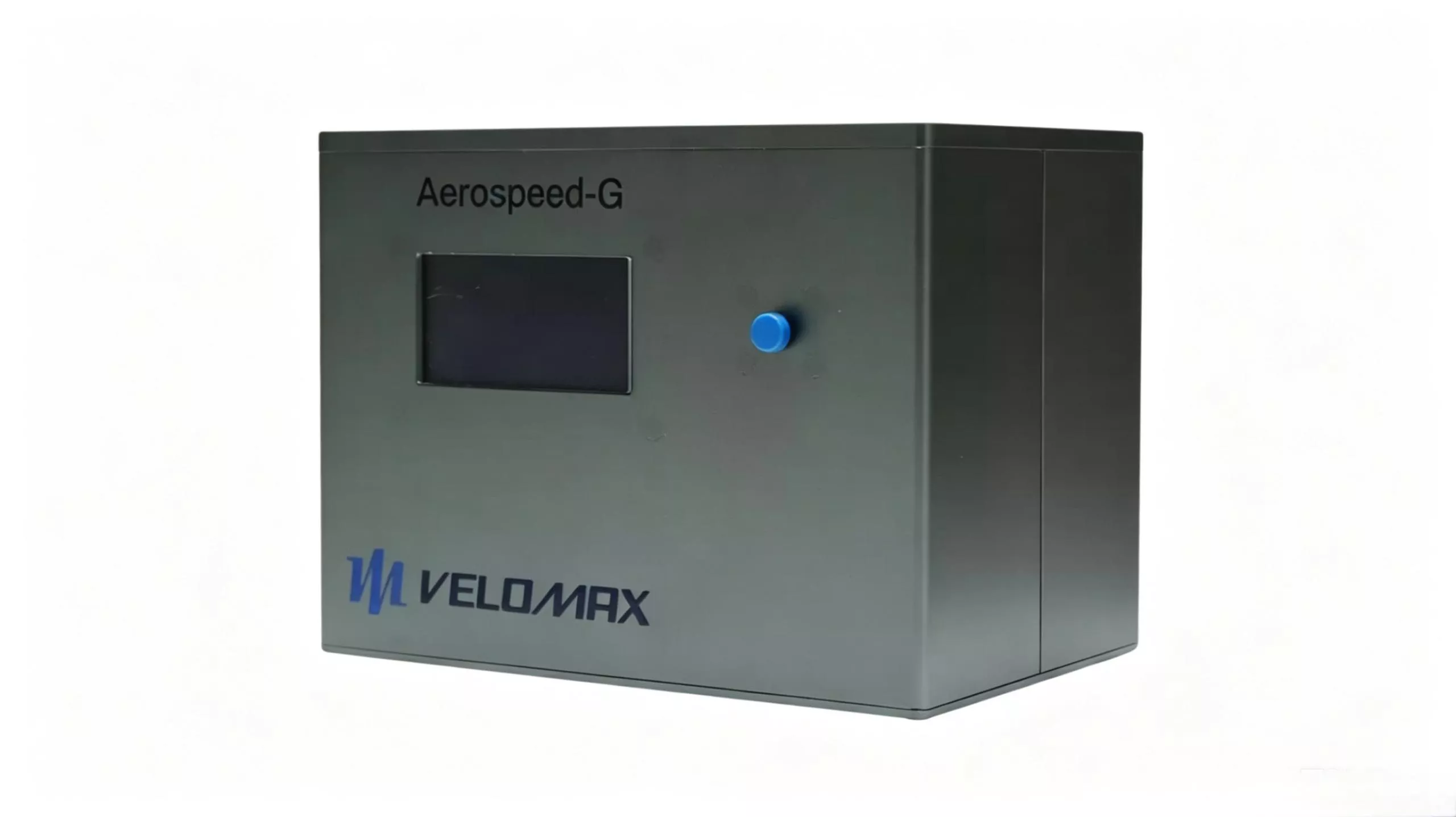
Investing in premium, high-speed universal hardware delivers immediate operational and financial advantages to high-volume manufacturing operations.
Next-Gen Protocol Support: Modern industrial architectures provide native hardware support for advanced high-speed protocols, including UFS 4.1, eMMC 5.1, high-density SPI NAND, and complex automotive microcontrollers.
Total Security Integrity: With the rise of connected infrastructure, hardware-level security is critical. High-speed systems allow for secure key injection, root-of-trust provisioning, and full hardware encryption right on the factory floor, protecting sensitive OEM intellectual property from unauthorized copying.
Dramatic Labor Reduction: Replacing manual operator loading stations with automated, software-driven handlers transforms a high-risk, labor-intensive workflow into a reliable, continuous production loop.
As advanced driver-assistance systems (ADAS), automotive infotainment networks, and 5G enterprise gateways push firmware payload sizes past tens of gigabytes, legacy programming electronics reach their physical limits. Trying to flash an ultra-dense storage device using outdated serial logic creates an immediate bottleneck. Modern electronics manufacturing demands a dedicated offline programmer built specifically to handle the ultra-high-speed signaling demands of advanced memory architectures like UFS 4.1.
Achieving true high-speed flashing requires an advanced hardware architecture capable of matching the near-theoretical write speeds of the silicon itself. High-performance systems utilize proprietary multi-core processing engines paired with wide internal data buses to eliminate controller bottlenecks. This ensures that whether you are flashing an ultra-dense NAND flash or executing complex partitions on a secure automotive MCU, the hardware maintains full signal integrity without thermal throttling or data corruption.
For tier-one electronics manufacturing service (EMS) providers, standalone programming hardware is only half the equation. To truly eliminate human error and achieve a zero-labor manufacturing floor, the programming system must integrate seamlessly into fully automated IC handlers. A high-efficiency offline programmer must feature standardized electrical and mechanical interface communication protocols to link directly with robotic pick-and-place arms.
When deploying automated workcells, engineering teams must evaluate three main integration components:
Mechanical Form Factor: Modular, low-profile programmer chassis designs that easily slide into standard automated handler sub-racks, minimizing internal cable lengths.
Software API Controls: Clean, robust software integration layers (such as standard DLLs or command-line interfaces) that allow the main handler computer to monitor socket status, pass/fail results, and error logs automatically.
Dynamic Laser & Optical Alignment: Coordinating with the handler’s vision systems to ensure precise IC pin placement into high-density sockets, protecting vulnerable packaging leads (like BGA, QFN, or WLCSP) from structural deformation.
Procurement teams and manufacturing managers should screen potential machinery suppliers against a strict checklist of technical operational criteria:
Bus Bandwidth & Pure Transfer Rates: Evaluate the actual megabytes-per-second (MB/s) transfer capacity of the main hardware controller. Ensure the programmer can fully maximize the maximum write speed supported by your target chip architecture.
Algorithm Update Frequency: A programming system is only as good as its software library. Choose a manufacturer with a proven track record of releasing rapid algorithm updates for newly introduced semiconductor devices.
Socket Reliability and Longevity: Industrial-grade sockets should guarantee a long service life (typically over 100,000 insertions) and feature quick-change mechanical designs to minimize downtime during routine replacement.
Automation Compatibility: Ensure the core programmer chassis features standard communication interfaces (such as robust APIs and standard input/output signals) to allow for simple integration with third-party automated handlers.
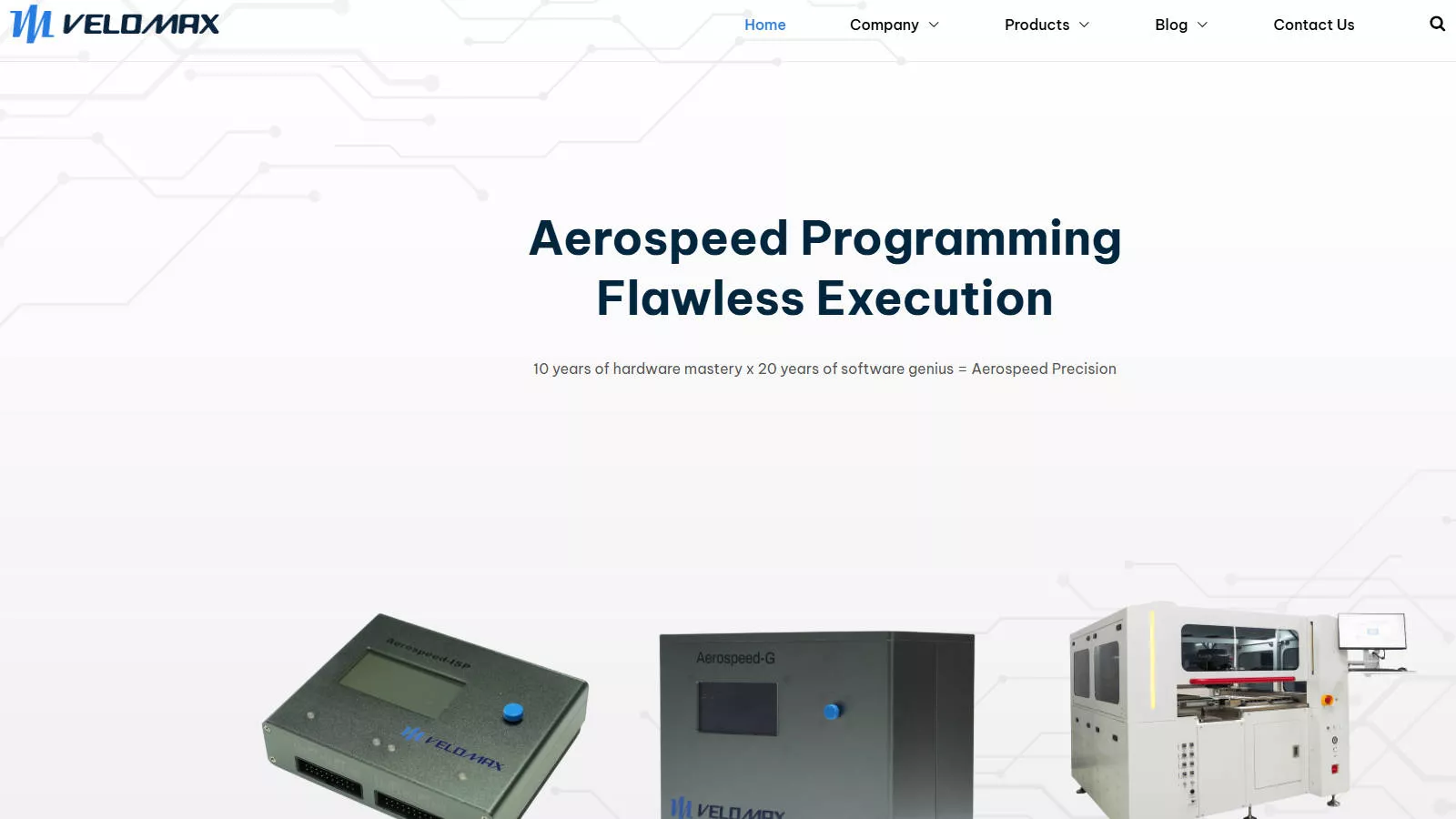
For factory procurement teams and QA directors tasked with eliminating production line bottlenecks, VeloMax stands out as a premier global supplier of automated flashing infrastructure. By engineering high-performance hardware designed for continuous industrial operation, they provide the technical depth required to handle modern manufacturing demands.
Optimized Ultra-Bandwidth Hardware Architecture
Every VeloMax universal programming system is built with an advanced, wide-bus hardware controller engineered to support the rigorous speeds of modern storage protocols. This deep integration allows factories to push data at maximum speed, extracting optimal performance from next-generation silicon like UFS 4.1.
Unrivaled Global Device Library
Operating an extensive, continuously updated algorithm library, VeloMax provides immediate, native support for thousands of distinct microcontrollers, flash memories, and programmable logic devices. Their agile engineering team provides rapid, custom software deployments for newly released silicon components.
Factory-Direct Cost Efficiencies
By collaborating directly with the engineering factory group, international purchasing managers eliminate the markups associated with intermediate distribution agents. This direct framework allows manufacturing plants to acquire heavy-duty, long-lifespan industrial flashing arrays while keeping capital expenditures highly competitive.
As firmware sizes continue to grow alongside demanding consumer and automotive safety standards, manual or slow on-board programming is no longer a viable manufacturing option. Maintaining clear factory margins requires a commitment to high-speed, off-line automated processing. Integrating a reliable offline programmer ecosystem allows operations managers to remove SMT line dependencies, insulate their workflow from labor shortages, and deliver high-yield product shipments on time.
Future-proofing your high-volume production environment begins with choosing a hardware partner that understands the realities of high-speed industrial data placement.
To analyze detailed equipment specifications, request custom device validation compatibility tests, or obtain a comprehensive factory-direct quotation for your upcoming automated production line upgrade, visit the official corporate portal at VeloMax.
Our technical team is available to help you evaluate your requirements and recommend the optimal programming solution for your production environment. Contact Velomax Systems today to start the conversation.
Contact Us
Discover this amazing content and share it with your network!
Your Name*
Your Email*


*We respect your confidentiality and all information are protected.
